
Best Kidney Stone Treatment in Keshavnagar, Pune – Advanced Laser Surgery
Safe, precise kidney stone removal with expert urology care
About Vighnaharta Hospital’s Urology Department
Urology is a medical specialty that focuses on the diagnosis and treatment of urinary system disorders in both men and women, along with conditions affecting the male reproductive system.
Vighnaharta Hospital is the best urology hospital in Keshav Nagar, Pune, having an advanced urology department with modern technology and experienced specialists.
The department focuses on minimally invasive procedures, patient safety, accurate diagnosis, and effective long-term outcomes.
Why Choose Vighnaharta Hospital for Kidney Care in Keshav Nagar, Pune?
At Vighnaharta Hospital, patients receive advanced kidney stone treatment in Keshav Nagar, Pune, with modern technology and experienced urologists using a patient-centered approach.
The hospital focuses on accurate diagnosis, minimally invasive procedures, personalized care plans, and faster recovery, ensuring safe and effective treatment for all types of kidney stones.

What are Kidney Stones?
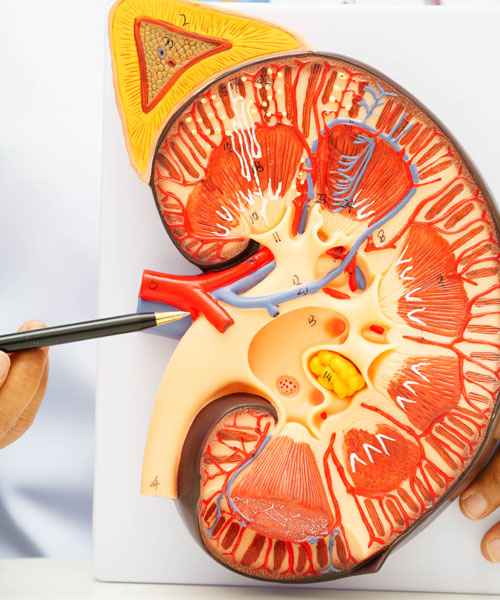
What are Kidney Stones?
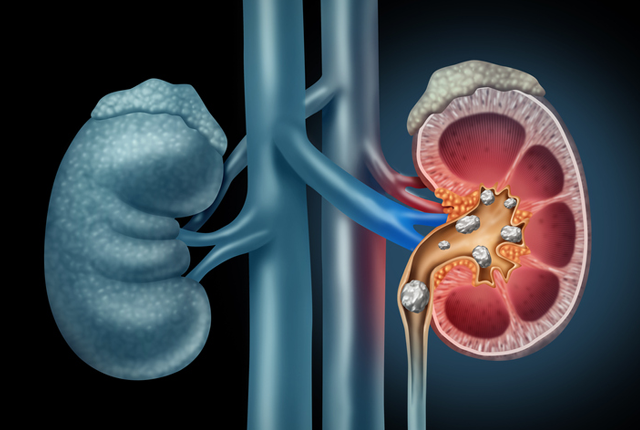
Kidney stones, also known as nephrolithiasis or renal calculi, are solid masses or crystals that form from substances such as minerals, salts, and acids in the kidneys. These stones can be as small as the size of a grain or larger than the size of a golf ball.
Kidney stones may stay in the kidney or travel through the urinary tract, causing discomfort or severe pain. While small stones usually pass naturally through urine, larger stones may require medical intervention.
Kidney stones can be classified into different types based on the type of crystals they are made up of, including:
- Calcium oxalate and calcium phosphate stones: Occur due to consumption of low-calcium, high-oxalate foods without sufficient fluid intake. Calcium oxalate is the most common type of kidney stone.
- Uric acid stones: Commonly linked to dehydration or high-protein diets.
- Cystine stones: Rare condition due to genetic conditions.
- Struvite stones: Associated with urinary tract infections.
Causes of Kidney Stones
Kidney stones develop when urine becomes concentrated, allowing minerals and salts to crystallize and accumulate in the kidneys. Common causes and risk factors may include:
- Dehydration: Not drinking enough water reduces urine volume.
- High salt intake: Excess sodium increases calcium levels in urine.
- Excess animal protein: Raises uric acid levels and lowers protective citrate in urine.
- Oxalate-rich foods: Foods like spinach and nuts increase oxalate levels, which combine with calcium.
- Low fluid consumption: Insufficient hydration prevents proper flushing of minerals from the kidneys.
- Obesity: Alters metabolism and increases substances that form stones.
- Digestive disorders: Conditions like IBS affect calcium and water absorption.
- Family history: Genetic factors can make some individuals more prone to stones.
- Certain medications: Some medicines increase calcium or uric acid in urine.
- Low calcium diet: Reduces calcium binding in the gut, increasing oxalate absorption.
- Chronic dehydration: Hot climates or heavy sweating reduce overall fluid balance.
- Frequent urinary infections: Can lead to infection-related stones.
Symptoms of Kidney Stones
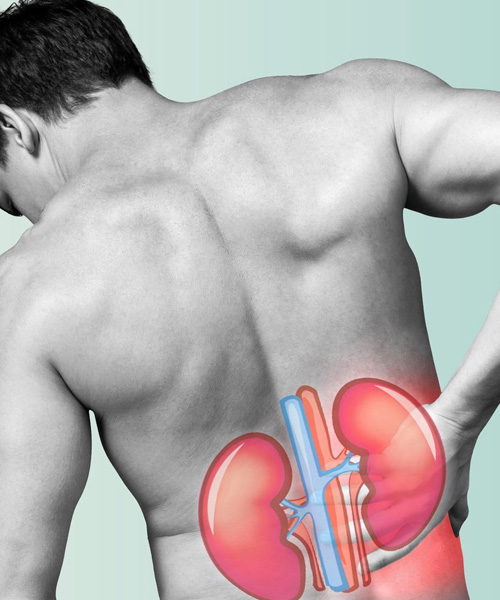
Symptoms of Kidney Stones
Kidney stone symptoms usually appear when stones move within the urinary tract or cause blockage, leading to pain and urinary issues. Common symptoms include:
- Severe flank pain: Sharp pain in the side and back due to kidney or ureter blockage.
- Radiating pain: Pain may spread to the lower abdomen and groin as the stone moves.
- Pain in waves: Intensity fluctuates as muscles contract to push the stone.
- Burning sensation while urinating: Caused by irritation of the urinary tract.
- Blood in urine: Stones can damage tissues, causing visible discoloration.
- Frequent urge to urinate: Irritation of the bladder increases urgency.
- Cloudy urine: Indicates infection or the presence of pus.
- Foul-smelling urine: Usually a sign of bacterial infection.
- Nausea and vomiting: Triggered by severe pain and nerve responses.
- Fever and chills: Suggest a serious infection requiring immediate care.
- Difficulty passing urine: Occurs if the stone blocks urine flow.
- Restlessness: Patients struggle to stay still due to intense, shifting pain.
Kidney Stone Treatment Process at Vighnaharta Hospital
At Vighnaharta Hospital, our experienced kidney stone doctor in Keshav Nagar, Pune, offers kidney stone treatment using a systematic approach to ensure accurate diagnosis and effective care. The various steps involved in the treatment process include:
- Initial consultation: The urologist evaluates the patient’s symptoms, medical history, and risk factors to understand the condition.
- Diagnostic tests: Imaging tests, like an ultrasound or a CT scan, help identify the size, type, and location of the kidney stone.
- Clinical assessment: Urine and blood tests are conducted to detect infections or metabolic issues.
- Treatment planning: A personalized plan is created based on the kidney stone characteristics and patient’s health.
- Procedure selection: Suitable treatment options, like RIRS, PCNL, URSL, or medications, are recommended.
- Treatment execution: Minimally invasive procedures are performed using advanced technology.
- Post-treatment care: Monitoring recovery, managing pain, and preventing complications.
- Follow-up guidance: Lifestyle and dietary advice to reduce the risk of recurrence.
Get Expert Kidney Stone Care Today
Get advanced, safe, and effective kidney stone treatment in Keshav Nagar, Pune, at Vighnaharta Hospital – Book a consultation appointment now!