

Anandtara Whitefield, Commercial Building, Keshav Nagar, Pune

Mon to Sun Available 24/7

Adenomyosis Treatment in Keshav Nagar

Adenomyosis Treatment by Obstetrician-Gynaecologist

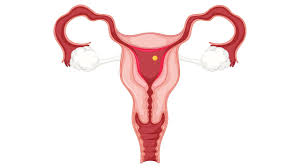
Adenomyosis is a condition in which the tissue that lines the uterus (endometrium) grows into the muscular wall of the uterus (myometrium). This can lead to an enlarged and tender uterus, causing pain, heavy menstrual bleeding, and other symptoms.

Years Clinical Experience
0 +
Emergency Medical Care
24/ 0
Reviews
1000 +
Google Reviews
0 +

What is Adenomyosis?

Adenomyosis is a condition in which the tissue that lines the uterus (endometrium) grows into the muscular wall of the uterus (myometrium). This can lead to an enlarged and tender uterus, causing pain, heavy menstrual bleeding, and other symptoms. Adenomyosis is a chronic condition that can significantly impact a person’s quality of life.

Adenomyosis is a condition that can cause pain, heavy menstrual bleeding, and discomfort. The treatment approach varies based on the severity of symptoms, the individual’s overall health, and their preferences for managing the condition. A combination of pain management, hormonal therapies, minimally invasive procedures, and lifestyle changes can help manage adenomyosis and improve quality of life. If you suspect you have adenomyosis or are experiencing symptoms, consulting a healthcare provider is recommended.

Treatment Options for Adenomyosis

The treatment approach for adenomyosis depends on the severity of symptoms, the individual’s overall health, and their preferences for managing the condition. Several treatment options are available:

Pain Management

  • Over-the-Counter Pain Relievers: Non-prescription pain relievers like ibuprofen can help manage mild to moderate pain.
    Prescription Pain Medications: In cases of severe pain, a healthcare provider might prescribe stronger pain medications.

Hormonal Therapies or Hormonal Birth Control

  • Hormonal methods like birth control pills, patches, or hormonal intrauterine devices (IUDs) can help regulate the menstrual cycle and reduce the growth of endometrial tissue.

Progestin Therapy

  • Progestin-only medications can help control adenomyosis growth and alleviate symptoms.

Gonadotropin-Releasing Hormone (GnRH) Agonists

  • These medications suppress the production of estrogen, inducing a temporary menopause-like state to control adenomyosis growth. They are used for short periods due to potential side effects.

Uterine Artery Embolization (UAE):

  • This minimally invasive procedure involves injecting tiny particles into the blood vessels that supply the uterus, reducing blood flow to the adenomyosis-affected tissue and shrinking the enlarged uterus.

Surgical Options

1. Hysterectomy

  • In cases where other treatments have not been effective and the individual does not wish to have children, a hysterectomy (removal of the uterus) may be considered. This is a definitive treatment but should be carefully discussed with a healthcare provider.

2. Endometrial Ablation

  • This procedure involves removing the lining of the uterus, which can help alleviate heavy menstrual bleeding and reduce pain. It’s generally suitable for women who have completed their childbearing.

Meet Our Specialists

Gynaecology

Urology

Critical Care Medicine

Joint Replacement

Pediatric Clinic

Emergency Cases

Please feel welcome to contact our friendly reception staff with any general or medical enquiry call us.

+91 8208612746

Opening Hours


    Scroll to Top