Anandtara Whitefield, Commercial Building, Keshav Nagar, Pune

Mon to Sun Available 24/7

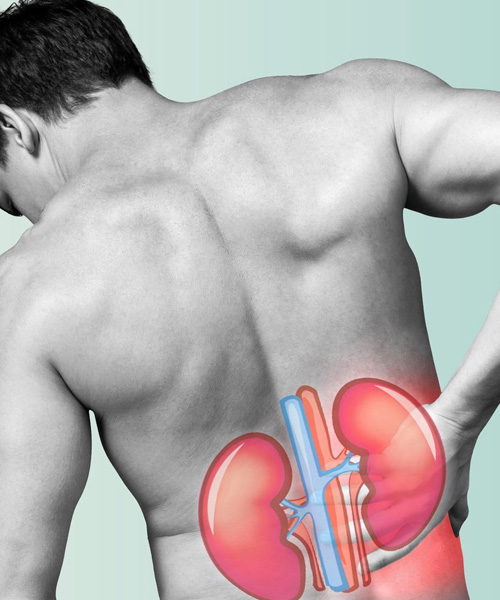
RIRS Surgery for Kidney Stones in Keshav Nagar, Pune

Get rid of kidney stones safely with advanced, scar-free RIRS surgery at Vighnaharta Hospital.
Years Clinical Experience
5 +
Emergency Medical Care
24/ 7
Reviews
5000 +
Google Reviews
2.5 +

Why Choose Vighnaharta Hospital for RIRS Surgery for Kidney Stone in Keshav Nagar, Pune?

Vighnaharta Hospital is a trusted choice for advanced kidney stone treatment. Led by experienced urologist Dr. Anil Keskar, the hospital offers the best RIRS surgery for kidney stone in Keshav Nagar, Pune, using advanced laser technology.

With a focus on minimally invasive care, patient safety, and faster recovery, the hospital ensures precise diagnosis, effective treatment, and compassionate support throughout the procedure.
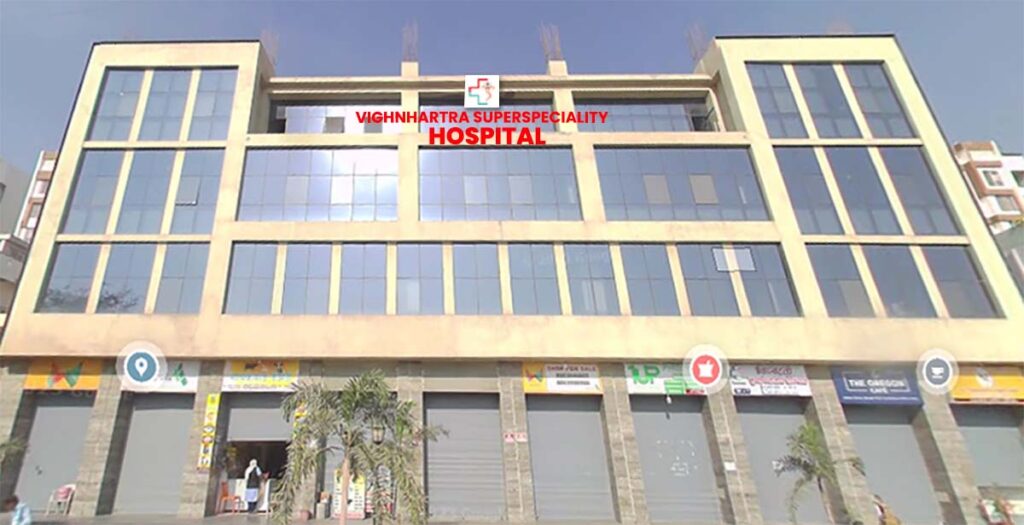
Vighnaharta Hospital Top Multispecialty Hospital in Keshavnagar

What is RIRS Surgery?

What is RIRS Surgery?

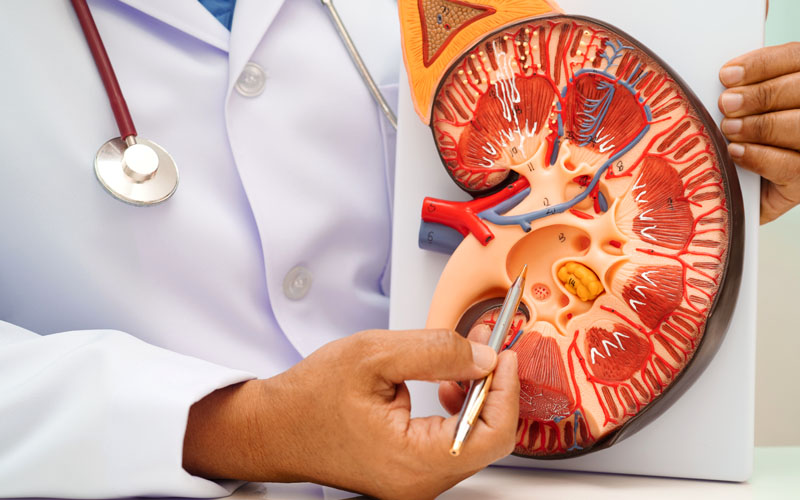
Retrograde Intrarenal Surgery (RIRS) is an advanced, minimally invasive procedure used for treating kidney stones without making any external incisions.

It is performed using a thin, flexible instrument called a ureteroscope, which is passed through the natural urinary pathway, via the urethra, bladder, and ureter, into the kidney. This allows the surgeon to directly visualize and access stones within the kidney.

Once the stone is located, a high-powered laser, such as a holmium or thulium laser, is used to break it into very fine fragments. These fragments are either removed using specialized tools, like a stone basket, or flushed out naturally through urine. In certain cases, a temporary ureteral stent may be placed to aid drainage and prevent blockage.

RIRS is highly effective for stones that are small to medium in size or located in difficult areas. It offers excellent precision, minimal discomfort, and faster recovery, making it one of the most preferred kidney stone treatment options today.

When is RIRS Surgery Recommended?

RIRS surgery is recommended when kidney stones cannot be treated effectively with medications or simpler non-invasive techniques.  It is particularly useful for stones located deep within the kidney or in areas that are difficult to access through other procedures. This approach is chosen based on the size, location, and complexity of the stone, along with the patient’s overall health. At Vighnaharta Hospital, RIRS surgery for kidney stone treatment in Keshav Nagar, Pune, is recommended in the following cases:
  • Small to medium-sized stones: Usually less than 2 cm in size.
  • Failed ESWL (extracorporeal shock wave lithotripsy) treatment: When shock wave therapy does not break stones effectively.
  • Difficult stone location: Stones present in the lower calyx or complex kidney anatomy.
  • Recurrent kidney stones: Patients with repeated stone formation.
  • Bleeding disorders: Safer option due to minimal invasiveness.
  • Obesity or anatomical variations: When other procedures are technically challenging.
  • Patients unfit for open surgery: Reduced surgical risk and quicker recovery.

Benefits of RIRS Surgery
Benefits of RIRS Surgery

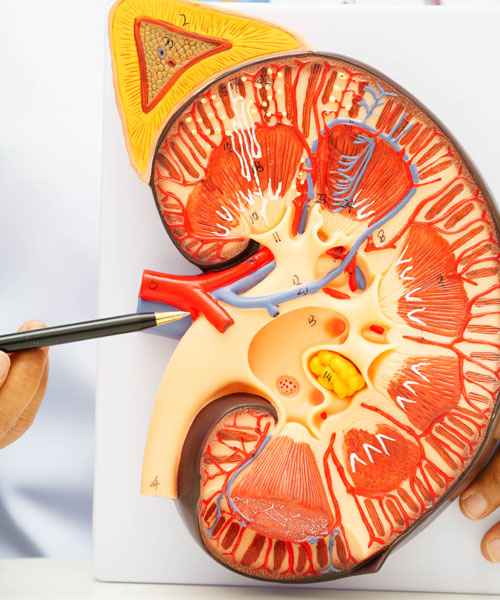
RIRS surgery offers several advantages, making it one of the most preferred and patient-friendly treatments for kidney stones. Some key benefits of undergoing RIRS surgery in Pune at Vighnaharta Hospital include:

  • No incisions or cuts: Completely scar-free procedure with no external wounds.
  • Minimal pain: Reduced post-operative discomfort compared to traditional surgery.
  • Low blood loss: Safer option with minimal risk of bleeding.
  • Faster recovery: Patients can return to daily activities within a few days.
  • High precision treatment: Advanced laser targets stones without damaging surrounding tissues.
  • Effective for complex stones: Suitable for stones in difficult-to-reach areas.
  • Lower risk of complications: Reduced chances of infection and surgical trauma.
  • Reduced recurrence risk: Better stone clearance lowers the chances of stone regrowth.
  • Quick return to routine: Minimal disruption to personal and professional life.

Preparation Before RIRS Surgery for Kidney Stones

At Vighnaharta Hospital, patients are carefully evaluated and guided through essential pre-operative steps by the best doctor for RIRS surgery in Keshav Nagar, Pune, to optimize surgical outcomes.

  • Comprehensive evaluation: Detailed medical history and physical examination are done.
  • Diagnostic imaging: A CT scan or an ultrasound may be ordered to assess stone size, number, and location.
  • Laboratory tests: Blood tests and urine analysis help check the patient’s overall health.
  • Infection control: Any urinary infection is treated before surgery.
  • Medication review: Blood thinners and certain medicines may be temporarily stopped before surgery.
  • Fasting requirement: Food and liquids need to be avoided for 6 to 8 hours before surgery.
  • Hydration advice: It is recommended to maintain good fluid intake before fasting begins.
  • Pre-surgery counseling: The patient will have a detailed discussion with the urologist about the procedure and expectations.

RIRS surgery is a minimally invasive kidney stone surgery performed using advanced endoscopic technology at Vighnaharta Hospital to ensure effective kidney stone removal. The steps involved in the procedure are:

  • Anesthesia administration: General or spinal anesthesia is given to ensure a completely pain-free and comfortable experience.
  • Insertion of ureteroscope: A thin, flexible ureteroscope is passed through the urethra, bladder, and ureter without any incision.
  • Reaching the stone: The scope is carefully guided into the kidney to reach the exact stone location.
  • Stone visualization: A high-definition camera provides a clear, magnified view of stones.
  • Laser fragmentation: A holmium or thulium laser is used to break stones into fine particles.
  • Dusting or fragmentation: Stones are either powdered or broken into removable pieces.
  • Stone removal: Larger fragments are extracted using a specialized stone basket.
  • Stent placement: A temporary ureteral stent may be inserted to ensure smooth urine flow.

The procedure usually takes around 60 to 90 minutes, depending on the stone’s complexity.

Recovery after RIRS surgery is generally quick and smooth, but proper aftercare plays a vital role in ensuring complete healing and preventing complications. The following can be expected during the recovery period:

  • Short hospitalization: The patient is usually discharged within 24 to 48 hours after the procedure.
  • Mild post-operative symptoms: Temporary burning sensation or slight blood in urine may occur.
  • Hydration importance: Drinking plenty of water helps flush out remaining stone fragments.
  • Medication adherence: Antibiotics and pain relief medications should be taken as prescribed.
  • Stent-related discomfort: Some patients may feel mild irritation or urgency if a stent is placed.
  • Stent removal: Usually removed within 10 to 14 days under medical supervision.
  • Activity resumption: Light activities can be resumed within 2 to 3 days, avoiding heavy exertion.
  • Dietary care: Follow a balanced diet to support recovery and prevent recurrence.
  • Follow-up visits: Regular check-ups ensure proper healing and stone clearance.

RIRS surgery is generally a safe and minimally invasive procedure, but like any medical intervention, it carries certain risks. These complications are uncommon and usually manageable when performed by experienced specialists.

Possible risks may include:

  • Mild bleeding: Minor bleeding may occur during or after the procedure, but it usually resolves on its own.
  • Urinary tract infection: Infection can develop but is effectively treated with antibiotics.
  • Burning urination: Temporary discomfort while passing urine is common in the initial days.
  • Fever or chills: May occur due to infection or inflammation and should be monitored.
  • Stent-related discomfort: Irritation, urgency, or flank discomfort may be experienced if a stent is placed.
  • Ureteral injury: Rare risk of injury or narrowing of the ureter during scope insertion.
  • Incomplete stone removal: Some stone fragments may remain and require additional treatment.
  • Stone recurrence: Possible if preventive measures are not followed after surgery.

The RIRS surgery cost in Keshav Nagar, Pune, depends on multiple factors and usually varies between INR 90,000 and INR 2,00,000. The various factors that determine the cost include:

  • Stone size and number: Larger or multiple stones may increase procedure complexity and cost.
  • Location of stones: Difficult-to-reach stones may require advanced techniques, increasing cost.
  • Technology used: Use of advanced laser systems, like holmium or thulium, impacts pricing.
  • Surgeon expertise: Experience of specialists may influence the overall cost.
  • Hospital infrastructure: Quality of facilities contribute to overall cost.
  • Diagnostic tests: Pre-operative imaging and lab investigations add to expenses.
  • Hospital stay: Duration of admission affects the total cost.
  • Additional procedures: Stent placement or follow-up treatments may be required.
  • Insurance coverage: Many health insurance plans may cover RIRS surgery partially or fully.

 Vighnaharta Hospital offers top-quality RIRS surgery at an affordable and transparent cost under the expert guidance of Dr. Anil Keskar, who is the best urologist in Keshav Nagar, Pune.

Preventing kidney stones requires consistent lifestyle and dietary habits that help reduce crystal formation in the urinary tract. Simple daily changes can significantly lower the risk of recurrence and support long-term kidney health.

Common ways of preventing kidney stones include:

  • Stay well-hydrated: Drink 2.5 to 3 liters of water daily to dilute urine and prevent stone formation.
  • Reduce salt intake: High sodium levels increase calcium excretion, raising kidney stone risk.
  • Balanced protein intake: Limit excessive consumption of animal protein like red meat.
  • Control oxalate-rich foods: Reduce intake of spinach, nuts, chocolate, and tea.
  • Adequate calcium intake: Include dietary calcium to help bind oxalates in the gut.
  • Maintain a healthy weight: Obesity can increase the risk of kidney stone formation.
  • Limit sugary drinks: Avoid excess soft drinks and high-sugar beverages.
  • Regular medical check-ups: Monitor kidney health, especially if you have a history of kidney stones.

Meet Our Specialists

Start Your Journey to a Stone-Free Life

Consult Vighnaharta Hospital today for advanced RIRS surgery in Keshav Nagar, Pune, and experience safe, effective, and minimally invasive kidney stone treatment with faster recovery.

Frequently Asked Questions

RIRS surgery is performed under anesthesia, so patients do not feel pain during the procedure. After surgery, mild discomfort, burning during urination, or slight blood in urine may occur temporarily, but these symptoms usually resolve within a few days with medications and proper hydration.

Most patients recover quickly after RIRS surgery. Light activities can usually be resumed within 2 to 3 days, while complete recovery may take about a week. Following medical advice, staying hydrated, and attending follow-ups help ensure a smooth and speedy recovery.

In some cases, a temporary ureteral stent is placed after RIRS surgery to ensure proper urine flow and help pass remaining stone fragments. It is usually removed within 10 to 14 days and may cause mild discomfort or urinary urgency during that period.

RIRS is generally recommended for small to medium-sized kidney stones, usually less than 2 cm. For larger stones, other procedures like PCNL may be more effective. However, suitability depends on individual factors and should be evaluated by a specialist.

Yes, kidney stones can recur after RIRS if preventive measures are not followed. Maintaining proper hydration, following dietary recommendations, and regular medical check-ups can significantly reduce the chances of recurrence and help maintain long-term kidney health.

Alternative treatments for kidney stones include ESWL (shock wave therapy), PCNL (percutaneous nephrolithotomy), ureteroscopy (URS), and, in rare cases, open surgery. The choice depends on stone size, location, and patient health. A urologist can recommend the most suitable option for effective treatment.

Gynaecology

Urology

Critical Care Medicine

Joint Replacement

Pediatric Clinic

Book Your Appointment


    Scroll to Top