
Kidney Stone Treatment in Keshav Nagar, Pune
Safe, precise kidney stone removal with expert urology care
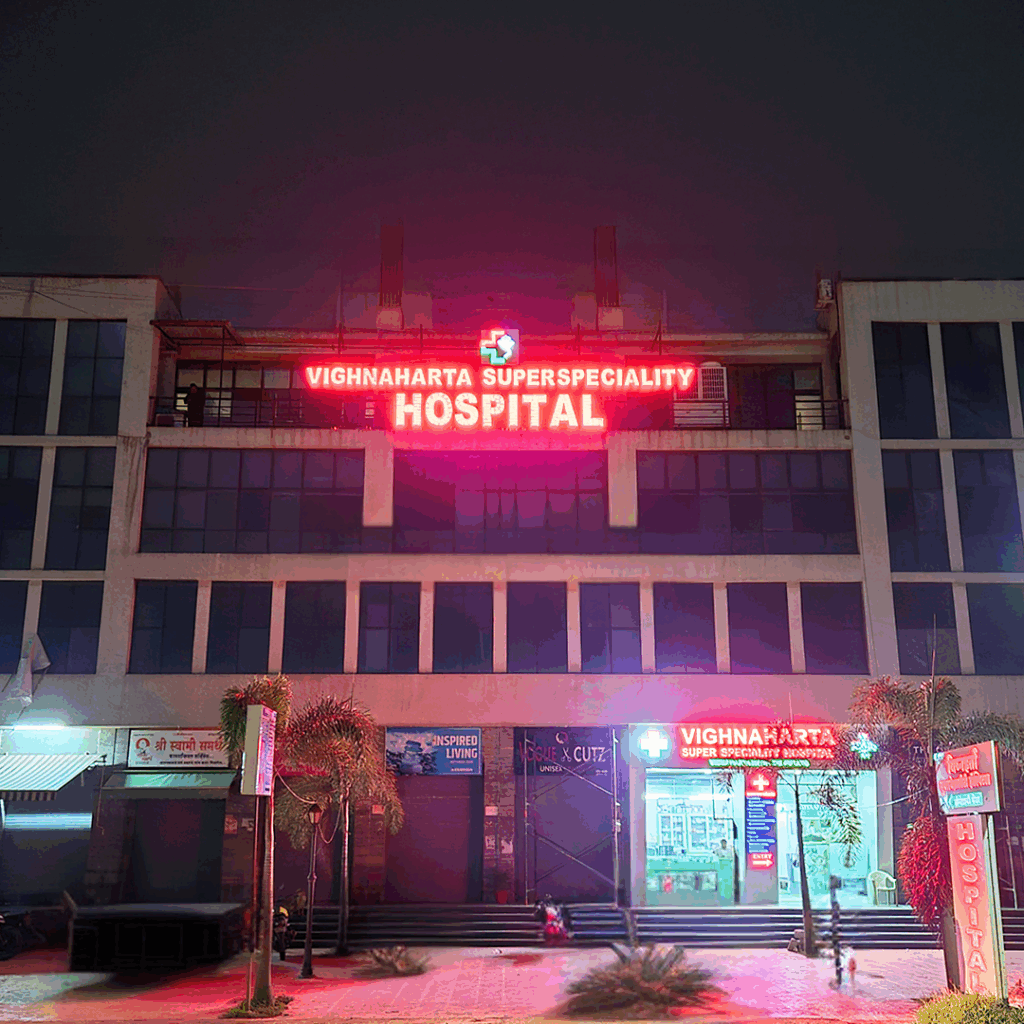
About Vighnaharta Hospital’s Urology Department
Urology is a medical specialty that focuses on the diagnosis and treatment of urinary system disorders in both men and women, along with conditions affecting the male reproductive system.
Vighnaharta Hospital is the best urology hospital in Keshav Nagar, Pune, having an advanced urology department with modern technology and experienced specialists.
The department focuses on minimally invasive procedures, patient safety, accurate diagnosis, and effective long-term outcomes.
Why Choose Vighnaharta Hospital for Kidney Care in Keshav Nagar, Pune?
At Vighnaharta Hospital, patients receive advanced kidney stone treatment in Keshav Nagar, Pune, with modern technology and experienced urologists using a patient-centered approach.
The hospital focuses on accurate diagnosis, minimally invasive procedures, personalized care plans, and faster recovery, ensuring safe and effective treatment for all types of kidney stones.
What are Kidney Stones?
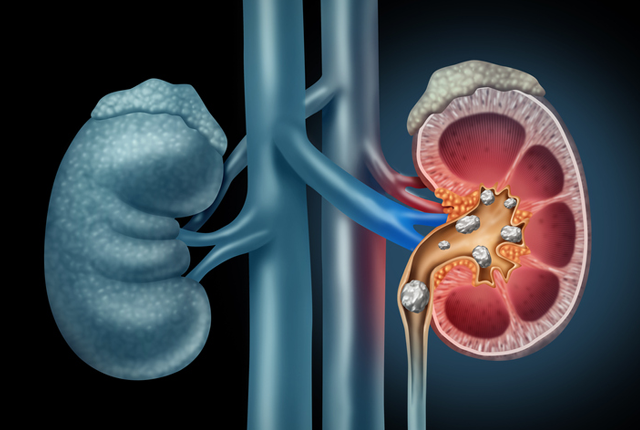
Kidney stones, also known as nephrolithiasis or renal calculi, are solid masses or crystals that form from substances such as minerals, salts, and acids in the kidneys. These stones can be as small as the size of a grain or larger than the size of a golf ball.
Kidney stones may stay in the kidney or travel through the urinary tract, causing discomfort or severe pain. While small stones usually pass naturally through urine, larger stones may require medical intervention.
Kidney stones can be classified into different types based on the type of crystals they are made up of, including:
- Calcium oxalate and calcium phosphate stones: Occur due to consumption of low-calcium, high-oxalate foods without sufficient fluid intake. Calcium oxalate is the most common type of kidney stone.
- Uric acid stones: Commonly linked to dehydration or high-protein diets.
- Cystine stones: Rare condition due to genetic conditions.
- Struvite stones: Associated with urinary tract infections.
Causes of Kidney Stones
Kidney stones develop when urine becomes concentrated, allowing minerals and salts to crystallize and accumulate in the kidneys. Common causes and risk factors may include:
- Dehydration: Not drinking enough water reduces urine volume.
- High salt intake: Excess sodium increases calcium levels in urine.
- Excess animal protein: Raises uric acid levels and lowers protective citrate in urine.
- Oxalate-rich foods: Foods like spinach and nuts increase oxalate levels, which combine with calcium.
- Low fluid consumption: Insufficient hydration prevents proper flushing of minerals from the kidneys.
- Obesity: Alters metabolism and increases substances that form stones.
- Digestive disorders: Conditions like IBS affect calcium and water absorption.
- Family history: Genetic factors can make some individuals more prone to stones.
- Certain medications: Some medicines increase calcium or uric acid in urine.
- Low calcium diet: Reduces calcium binding in the gut, increasing oxalate absorption.
- Chronic dehydration: Hot climates or heavy sweating reduce overall fluid balance.
- Frequent urinary infections: Can lead to infection-related stones.
Symptoms of Kidney Stones
Kidney stone symptoms usually appear when stones move within the urinary tract or cause blockage, leading to pain and urinary issues. Common symptoms include:
- Severe flank pain: Sharp pain in the side and back due to kidney or ureter blockage.
- Radiating pain: Pain may spread to the lower abdomen and groin as the stone moves.
- Pain in waves: Intensity fluctuates as muscles contract to push the stone.
- Burning sensation while urinating: Caused by irritation of the urinary tract.
- Blood in urine: Stones can damage tissues, causing visible discoloration.
- Frequent urge to urinate: Irritation of the bladder increases urgency.
- Cloudy urine: Indicates infection or the presence of pus.
- Foul-smelling urine: Usually a sign of bacterial infection.
- Nausea and vomiting: Triggered by severe pain and nerve responses.
- Fever and chills: Suggest a serious infection requiring immediate care.
- Difficulty passing urine: Occurs if the stone blocks urine flow.
- Restlessness: Patients struggle to stay still due to intense, shifting pain.
Kidney Stone Treatment Process at Vighnaharta Hospital
At Vighnaharta Hospital, our experienced kidney stone doctor in Keshav Nagar, Pune, offers kidney stone treatment using a systematic approach to ensure accurate diagnosis and effective care. The various steps involved in the treatment process include:
- Initial consultation: The urologist evaluates the patient’s symptoms, medical history, and risk factors to understand the condition.
- Diagnostic tests: Imaging tests, like an ultrasound or a CT scan, help identify the size, type, and location of the kidney stone.
- Clinical assessment: Urine and blood tests are conducted to detect infections or metabolic issues.
- Treatment planning: A personalized plan is created based on the kidney stone characteristics and patient’s health.
- Procedure selection: Suitable treatment options, like RIRS, PCNL, URSL, or medications, are recommended.
- Treatment execution: Minimally invasive procedures are performed using advanced technology.
- Post-treatment care: Monitoring recovery, managing pain, and preventing complications.
- Follow-up guidance: Lifestyle and dietary advice to reduce the risk of recurrence.
Our Kidney Stone Treatment Options
Vighnaharta Hospital offers advanced and minimally invasive kidney stone treatment in Pune, tailored to individual patient needs. Commonly offered treatments include:
RIRS (Retrograde Intrarenal Surgery)
RIRS is a minimally invasive procedure used to treat kidney stones located within the kidney using a flexible scope passed through the urinary tract.
Key features include:
- No incisions: The procedure is performed through the natural urinary pathway, avoiding external cuts.
- Flexible ureteroscope: Helps reach even difficult areas inside the kidney.
- Laser fragmentation: Stones are broken into fine particles for easy passage.
- Day-care procedure: Most patients are discharged within 24 hours.
- Minimal pain: Less discomfort compared to traditional surgery.
- Faster recovery: Patients resume normal activities quickly.
- High precision: Suitable for small to medium-sized stones.
- Low complication rate: Safe and effective for most patients.
PCNL (Percutaneous Nephrolithotomy)
PCNL is an advanced procedure used for removing large or complex kidney stones directly from the kidney through a small incision.
Key aspects include:
- Small back incision: Provides direct access to the kidney.
- Effective for large stones: Ideal for stones larger than 2 cm.
- Complete removal: Allows extraction of large stone fragments.
- Use of specialized instruments: Ensures precise and safe removal.
- Performed under general anesthesia: Ensures patient comfort during the procedure.
- Short hospital stay: Usually requires a few days of monitoring.
- High success rate: Preferred for complex or multiple stones.
- Reduced recurrence risk: Removes the bulk of the stone burden effectively.
URSL (Ureteroscopic Lithotripsy)
URSL is commonly used to treat stones located in the ureter by accessing them through the urinary tract without any external incision.
Key benefits include:
- No surgical cuts: The scope is inserted through the urethra and bladder.
- Direct visualization: Allows precise identification of the stone.
- Laser technology: Breaks stones into smaller fragments.
- Quick procedure: Usually completed within a short duration.
- Minimal hospital stay: Usually done as a day-care procedure.
- Rapid symptom relief: Especially effective for ureteric stones.
- Safe and precise: Reduces risk of damage to surrounding tissues.
- Quick recovery time: Patients return to routine activities soon.
Medical Management & Supportive Care
Medical management is recommended for small kidney stones that can pass naturally with proper care and monitoring.
Supportive care includes:
- Pain relief medications: Help reduce discomfort during the passage of stones.
- Increased fluid intake: Promotes urine flow and helps flush out small stones.
- Alpha-blockers: Relax the ureter muscles, making it easier for stones to pass.
- Dietary changes: Limit salt, oxalate-rich foods, and excess protein.
- Regular monitoring: Imaging tests track stone movement and size.
- Infection management: Antibiotics are given if a urinary infection is present.
- Lifestyle modifications: Encourage hydration and healthy habits.
- Follow-up care: Ensures complete recovery and reduces recurrence risk.
Kidney Stone Treatment Cost in Keshav Nagar
Generally, the cost of kidney stone treatment in Pune ranges from approximately INR 25,000 to INR 2,00,000 depending on the procedure and patient needs. The cost of kidney stone treatment in Keshav Nagar, Pune, will, however, vary based on several factors.
Key factors affecting the cost may include:
- Type of treatment: RIRS, PCNL, URSL, or medical management differ in pricing.
- Stone size and complexity: Larger or multiple stones require advanced procedures.
- Diagnostic tests: Imaging and lab investigations add to expenses.
- Hospital stay: Longer admissions increase total cost.
- Doctor’s expertise: Specialist consultation may influence pricing.
- Hospital infrastructure: Multi-specialty and super-specialty hospitals may charge more.
- Technology used: Advanced equipment may increase charges.
- Post-treatment care: Medications and follow-ups add to the overall cost.
Vighnaharta Hospital is the best hospital for kidney stones in Keshav Nagar, Pune, offering affordable kidney stone treatment based on the severity of the condition present and the patient’s requirements.
Prevention Tips After Kidney Stone Treatment
Preventing kidney stones is essential, as recurrence is common without proper lifestyle and dietary modifications. Simple daily habits and medical guidance can significantly reduce the risk of developing stones again and help maintain long-term kidney health.
Effective prevention tips include:
- Stay well hydrated: Drink enough water to keep urine dilute and prevent crystal formation.
- Limit salt intake: High sodium increases calcium levels in urine, raising stone risk.
- Reduce oxalate-rich foods: Spinach, nuts, and tea should be consumed in moderation.
- Moderate protein intake: Excess animal protein increases uric acid and reduces citrate.
- Increase citrus intake: Lemon and orange juices help prevent calcium stone formation.
- Maintain a healthy body weight: Reduces metabolic risk factors.
- Avoid sugary beverages: Soft drinks and packaged juices may increase stone risk.
- Do not delay urination: Helps flush out minerals from the urinary tract.
- Follow prescribed medications: Supports prevention based on stone type.
- Regular check-ups: Help detect early signs and prevent recurrence effectively.
Get Expert Kidney Stone Care Today
Get advanced, safe, and effective kidney stone treatment in Keshav Nagar, Pune, at Vighnaharta Hospital – Book a consultation appointment now!
Frequently Asked Questions
Meet Our Specialists