
High-Risk Pregnancy Care in Keshav Nagar, Pune
High-risk pregnancy care that prioritizes safety, expertise, and peace of mind for every expecting mother.

Why Choose Vighnaharta Hospital for High-Risk Pregnancy Care in Keshav Nagar, Pune?
Vighnaharta Hospital offers expert-led high-risk pregnancy care in Keshav Nagar, Pune, with advanced diagnostics, continuous monitoring, personalized treatment plans, NICU support, and 24/7 emergency care.
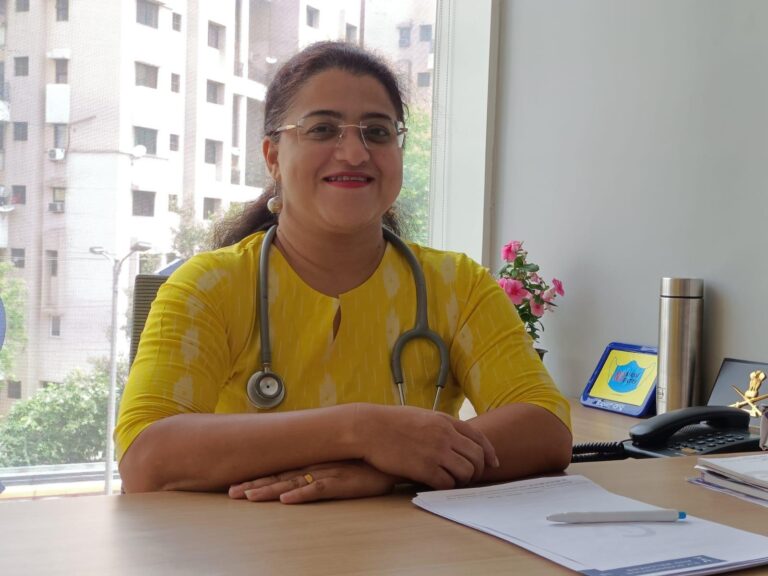
The hospital comprises experienced gynecologists and obstetricians who work closely with other medical specialists, including neonatologists, genetic counselors, and maternal-fetal medicine specialists for compassionate and comprehensive care for the mother and the baby.
What is a High-Risk Pregnancy?
What is a High-Risk Pregnancy?
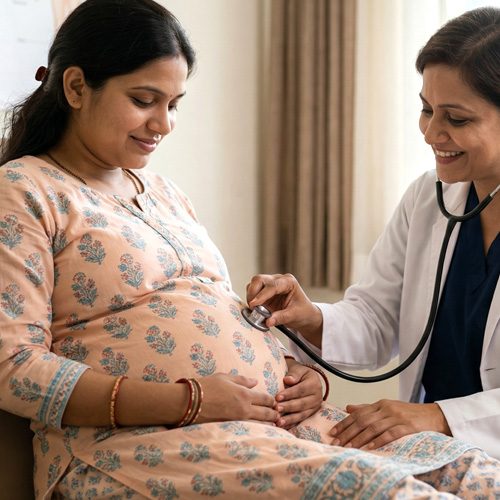
A high-risk pregnancy is one in which the health of the mother, the baby, or both is at increased risk of complications during pregnancy, labor, or after delivery. These risks may arise due to pre-existing medical conditions, pregnancy-related complications, maternal age, lifestyle habits, or past obstetric history.
Conditions such as diabetes, hypertension, thyroid disorders, and heart disease can significantly affect pregnancy outcomes. Similarly, complications like preeclampsia, gestational diabetes, placenta previa, or multiple pregnancies require specialized care.
High-risk pregnancies demand frequent monitoring, advanced diagnostic tests, and expert supervision to ensure early detection of any issues. Unlike routine pregnancies, these cases commonly involve coordinated care by specialists and careful planning for delivery.
At Vighnaharta Hospital, experienced high-risk pregnancy doctors in Keshav Nagar, Pune, offer timely medical intervention and proper guidance, ensuring most high-risk pregnancies can be managed effectively, improving the chances of a safe delivery and a healthy baby.
Types of High-Risk Pregnancies

High-risk pregnancies can be classified based on maternal health problems, pregnancy-associated complications, fetal concerns, and lifestyle factors. Identifying the type of high-risk pregnancy helps doctors plan appropriate monitoring, treatment, and delivery strategies to ensure the safety of both mother and baby.
Common types include: Pre-existing medical problems: Pregnancies in women with hypertension, diabetes, thyroid disorders, heart disease, or autoimmune conditions require close supervision throughout.
Pregnancy-induced complications: Conditions such as preeclampsia, gestational diabetes, placenta previa, and placental abruption develop during pregnancy and need specialized care.
Multiple pregnancies: Twin or higher-order pregnancies increase the risk of preterm birth, low birth weight, and maternal complications.
Age-related risks: Pregnancies in women below 20 or more than 35 years of age have a higher chance of complications.
Previous pregnancy complications: A history of miscarriage, stillbirth, or preterm delivery increases risk in future pregnancies.
Lifestyle-related risks: Smoking, alcohol use, obesity, and poor nutrition can negatively impact pregnancy outcomes.
Causes and Risk Factors of High-Risk Pregnancy

Causes and Risk Factors of High-Risk Pregnancy
High-risk pregnancies can occur due to various medical, genetic, and lifestyle-related factors. Identifying these causes early helps in better management and prevention of complications by our skilled high-risk pregnancy doctor in Keshav Nagar at Vighnaharta Hospital.
Common causes and risk factors of high-risk pregnancy may include:
- Chronic illnesses: Conditions like diabetes, hypertension, thyroid disorders, kidney disease, and heart conditions can increase pregnancy risks.
- Maternal age: Very young mothers or women above 35 years are more prone to complications.
- Multiple gestation: Twin or multiple pregnancies place extra stress on the body.
- Previous complications: A history of miscarriage, cesarean section, or stillbirth raises the risk level.
- Weight issues: Obesity or being underweight can impact fetal growth and maternal health.
- Genetic conditions: Family history of hereditary disorders may affect the baby.
- Infections: Certain infections during pregnancy can harm fetal development.
- Lifestyle factors: Smoking, alcohol consumption, and drug use significantly increase risks.
Symptoms of High-Risk Pregnancy

Recognizing the symptoms of a high-risk pregnancy is essential for early intervention and preventing serious complications. While some signs may appear mild initially, they can indicate underlying medical concerns that require immediate attention.
Some common symptoms associated with high-risk pregnancy include:
- Severe abdominal pain or persistent cramping: These symptoms may indicate complications like placental issues or preterm labor.
- Vaginal bleeding or abnormal discharge: It is a warning sign that requires immediate medical evaluation.
- Severe headaches or blurred vision: These symptoms are commonly associated with high blood pressure or preeclampsia.
- Excessive swelling: Especially seen in body parts like the face, hands, or legs.
- Persistent vomiting: It can lead to dehydration and nutritional deficiency.
- Reduced fetal movement: This symptom may indicate fetal distress.
- Chest pain or breathlessness: These symptoms require urgent medical care.
- Dizziness or fainting: These symptoms could indicate underlying complications.
Early contractions: They may be a sign of preterm labor before the due date.
Vighnaharta Hospital is equipped with the best gynecologist in Keshav Nagar for high-risk pregnancy, who ensures early detection and continuous monitoring to prevent complications and ensure timely medical care.
Common diagnostic tests used are:
- Detailed medical history and physical examination: Helps identify pre-existing conditions and previous pregnancy issues.
- Blood tests: Assess hemoglobin levels, detect infections, monitor blood sugar, and evaluate liver and kidney function.
- Urine tests: Help identify urinary infections, protein levels, and early signs of pregnancy-induced diabetes.
- Ultrasound scans: Track fetal growth, placental position, and amniotic fluid levels.
- Doppler ultrasound: Evaluates blood flow between the placenta and fetus.
- Non-stress test (NST): Monitors fetal heart rate in response to movement, indicating fetal well-being.
- Biophysical profile: Combines ultrasound and NST to assess multiple fetal health parameters.
- Glucose tolerance test: Screens for gestational diabetes.
- Genetic screening tests: Detect chromosomal abnormalities.
- Regular blood pressure monitoring: Helps identify preeclampsia and related complications early.
Vighnaharta Hospital provides advanced high-risk pregnancy treatment in Keshav Nagar through a multidisciplinary team approach, ensuring continuous monitoring, early intervention, and safe outcomes for both mother and baby.
Common services offered include:
- Comprehensive prenatal care: Regular antenatal visits, diagnostic tests, and continuous tracking of maternal and fetal health.
- Advanced fetal monitoring: Ultrasound, Doppler scans, fetal echocardiography, and non-stress tests for early detection of complications.
- Management of medical conditions: Expert handling of diabetes, hypertension, thyroid disorders, and other chronic illnesses.
- Gestational diabetes care: Blood sugar monitoring, dietary guidance, and medication or insulin therapy when required.
- Nutritional and lifestyle support: Personalized diet plans, supplements, and activity guidance.
- Preterm labor management: Medications, monitoring, and interventions like cervical cerclage to reduce premature birth risks.
- Medical and surgical interventions: Timely procedures for placental or cervical complications.
- Delivery planning and emergency care: Personalized delivery plans, 24/7 emergency services, and NICU support for newborn care.
High-risk pregnancies can lead to serious complications if not managed properly. However, with timely medical care and close monitoring, many of these risks can be reduced significantly.
Common risks associated with high-risk pregnancies may include the following:
- Preeclampsia and eclampsia: High blood pressure conditions that can affect vital organs and threaten the health of the mother.
- Preterm birth: Early delivery that may require intensive neonatal care for the baby.
- Gestational diabetes complications: Can lead to excessive fetal growth and delivery complications.
- Fetal growth restriction: Baby may not grow adequately inside the womb.
- Placental problems: Conditions like placenta previa or abruption can cause bleeding and complications.
- Higher cesarean rates: Increased chances of surgical delivery for safety.
- Postpartum hemorrhage: Risk of excessive bleeding after childbirth.
- Stillbirth: Loss of a baby before or during delivery in severe cases.
- Neonatal complications: Breathing or developmental challenges in newborns.
The high-risk pregnancy treatment cost in Keshav Nagar depends on the complexity of the condition, level of monitoring required, and type of medical care provided throughout pregnancy and delivery.
Common factors that determine the cost may include:
- Severity of condition: More complex cases require frequent monitoring and specialist care.
- Type of delivery: Cesarean delivery generally costs more than normal vaginal delivery.
- Diagnostic tests: Regular ultrasounds, Doppler scans, and lab investigations add to expenses.
- Doctor expertise: Experienced high-risk pregnancy specialists may influence cost.
- Hospital stay duration: Longer hospitalization increases overall charges.
- Medications and procedures: Depends on complications and required interventions.
- NICU support: Additional costs if the newborn requires intensive care.
- Multiple pregnancies: Higher monitoring and care needs increase the cost.
Vighnaharta Hospital is the best hospital in Keshav Nagar for high-risk pregnancy care, ensuring transparent pricing and affordable packages without compromising on quality care.
Although not all high-risk pregnancies can be prevented, early care, healthy habits, and regular monitoring can help reduce the risk.
Common preventive tips include:
- Preconception check-up: Identify and treat medical conditions before planning pregnancy to reduce risks from the start.
- Control chronic illnesses: Proper management of diabetes, hypertension, thyroid disorders, and other conditions is essential.
- Maintain a healthy weight: Balanced diet and regular exercise help improve maternal and fetal health.
- Avoid harmful habits: Eliminate smoking, alcohol, and drug use to prevent complications.
- Start prenatal care early: Regular doctor visits ensure timely monitoring and early detection of issues.
- Take prescribed supplements: Folic acid, iron, and calcium support healthy pregnancy development.
- Follow medical advice strictly: Adherence to medications and lifestyle changes is important.
- Manage stress: Adequate rest, relaxation, and emotional support improve overall well-being.
- Stay physically active: Engage in safe, doctor-approved exercises.
- Regular screening tests: Timely ultrasounds and lab tests help detect and prevent complications early.
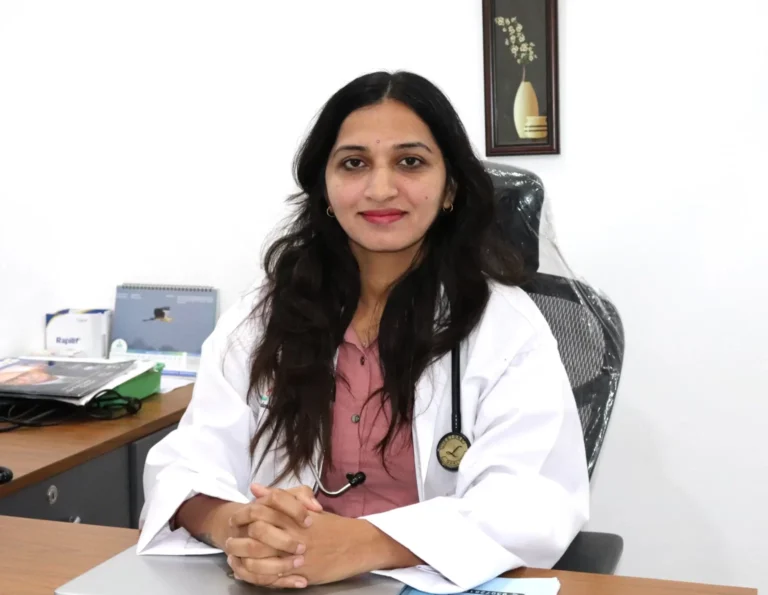
Meet Our Specialists





Book Your High-Risk Pregnancy Consultation Today
Get expert care, advanced monitoring, and complete support at Vighnaharta Hospital to ensure a safe pregnancy journey for both mother and baby.
Frequently Asked Questions
You should consult a high-risk pregnancy doctor as soon as you are diagnosed with a medical condition, experience unusual symptoms, or have a history of pregnancy complications. Early consultation helps in better planning and reduces the risk of complications.
No, hospitalization is not always required. Many high-risk pregnancies are managed through regular outpatient visits and monitoring. Hospital admission is needed only in specific situations where close observation or immediate medical intervention is necessary for safety.
Precautions include attending regular check-ups, following prescribed medications, maintaining a healthy diet, avoiding stress, and monitoring symptoms closely. Adhering to medical advice and reporting any unusual signs immediately helps prevent complications and ensures better pregnancy outcomes.
Yes, ultrasounds are considered safe and are an essential part of monitoring in high-risk pregnancies. They help track fetal growth, detect abnormalities, and ensure timely medical intervention when needed.
Gestational diabetes is a condition where blood sugar levels rise during pregnancy, usually in the second or third trimester. It is managed through a healthy diet, regular exercise, blood sugar monitoring, and sometimes medication or insulin. Proper control helps prevent complications for both mother and baby.
No, not all high-risk pregnancies require cesarean delivery. Many women can have a normal vaginal delivery if their condition remains stable. The type of delivery is decided by the doctor based on the safety of both mother and baby at the time of birth.
Google Reviews
Excellent
Based on 202 reviews

- Departments
Gynaecology
Urology
Critical Care Medicine
Joint Replacement
Pediatric Clinic
Emergency Cases
Please feel welcome to contact our friendly reception staff with any general or medical enquiry call us.
+91 8208612746
Opening Hours
- Monday – Friday :- 8.00 – 7:00 pm
- Saturday :- 9.00 – 8.00 pm
- Sunday :- 10.00 – 9.00 pm
- Monday – Sunday : 24/7 Available